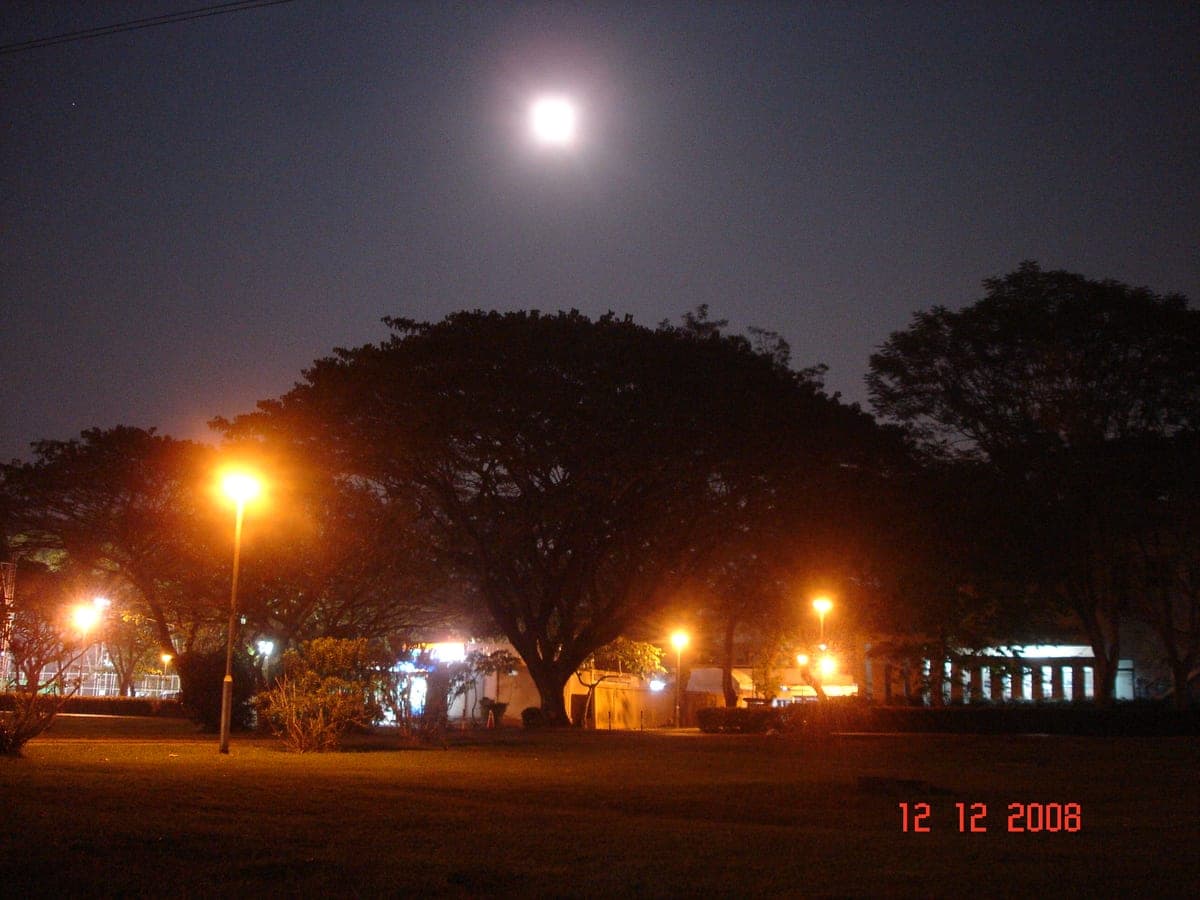
When is the next full moon? This live countdown always targets the next full-moon instant — about every 29.5 days (not every 24). When one passes, the timer rolls to the next.
Current target date: Wednesday, July 29, 2026 (Next full moon). Calendar anchors follow public observance — your school district or country may use a different day.
The next full moon is a rolling target, not a one-time holiday stamp. Full moons return about every 29.5 days (the synodic month) — not every 24 days. This page’s countdown always points at the upcoming UTC full-moon instant; after it passes, the same URL answers the new “when.”
Next full moon
Wednesday, July 29, 2026
Full moons return about every 29.5 days (the synodic month) — not every 24 days. When this one passes, the timer automatically rolls to the next full moon.
This timer always means the next full moon — then the one after that
Unlike Christmas or Black Friday, “next full moon” is not a single calendar stamp. The Moon reaches full about every 29.5 days. When tonight’s (or this month’s) full moon passes, the same page should answer the new “when” — so the countdown here is live, not a frozen July flyer.
People search this every day of the year: photographers, tide-watchers, holiday planners, and anyone who just noticed a bright disk and wondered how long until the next one.
The cycle people get wrong: ~29.5 days, not ~24
A common mix-up is thinking full moons land every three-ish weeks. The synodic month — the time from one full moon to the next — averages about 29 days 12 hours 44 minutes. That is why full-moon dates drift across weekdays and why a simple “same date next month” rule fails.
- Mean gap: ~29.53 days (synodic month).
- Not: a 24-day cycle, a fixed monthly calendar date, or “every first Friday.”
- New moon is the opposite phase — dark Moon, roughly two weeks off full.
- Folk names (Buck, Sturgeon, Harvest…) label seasons; they do not change the astronomy.
Upcoming full moons (UTC) — the list rolls forward automatically
- Next — Wed, Jul 29, 2026, 14:35 UTC
- Then — Fri, Aug 28, 2026, 04:18 UTC
- #3 — Sat, Sep 26, 2026, 16:49 UTC
- #4 — Mon, Oct 26, 2026, 04:12 UTC
Who actually needs a rolling full-moon countdown
Night photographers and hikers plan around moonrise/moonset and glare. Coastal folks watch spring tides near new and full. Cultural calendars (Diwali, some lunar festivals) care about lunar phases — but those holidays use their own rules, not this generic timer.
If you only wanted “is it full tonight?”, check the countdown: if it still shows days remaining, tonight is not the UTC full-moon instant (your local evening can still look “full enough” a day either side).
The Moon looks “full” for about three nights — the timer is only the exact peak
Astronomers call “full” the single UTC instant when the Moon is opposite the Sun and illumination hits 100%. To your eye, the night before and after often look just as bright — so “is it full tonight?” can feel true across a short window even when the countdown still shows a day left (or just flipped past).
Use the timer for the peak instant and photo planning; treat the surrounding evenings as the practical “full moon weekend” when you only care about a bright sky.
Frequently asked questions
Quick answers about this release date.
1When is the next full moon?
This page’s countdown always points at the next full-moon instant in UTC. After that moment passes, it rolls forward to the following one — you do not need a new URL each month.
2How often is there a full moon?
About every 29.5 days — that is the synodic month (full moon to full moon). It is not a 24-day cycle. Because 12 × 29.53 is a bit short of a solar year, some years have 13 full moons (a seasonal “Blue Moon” in folklore).
3Is the date the same worldwide?
The astronomy is one UTC instant. Local calendars can disagree about the civil date: a full moon at 04:18 UTC might still be Tuesday evening in New York and already Wednesday morning in Tokyo. We count to the UTC instant; your clock converts the local wall time.
4Is this the same “full moon” that sets Easter?
No. Easter uses an ecclesiastical full-moon table (computus), which can differ by a day from the true astronomical full moon. This countdown is the sky event people mean by “when is the next full moon.”
Explore more hubs
Jump into another category — anime, games, movies, sport, and events calendars.